
The Momentum: From Hardware Access to the Sovereignty of the Mind
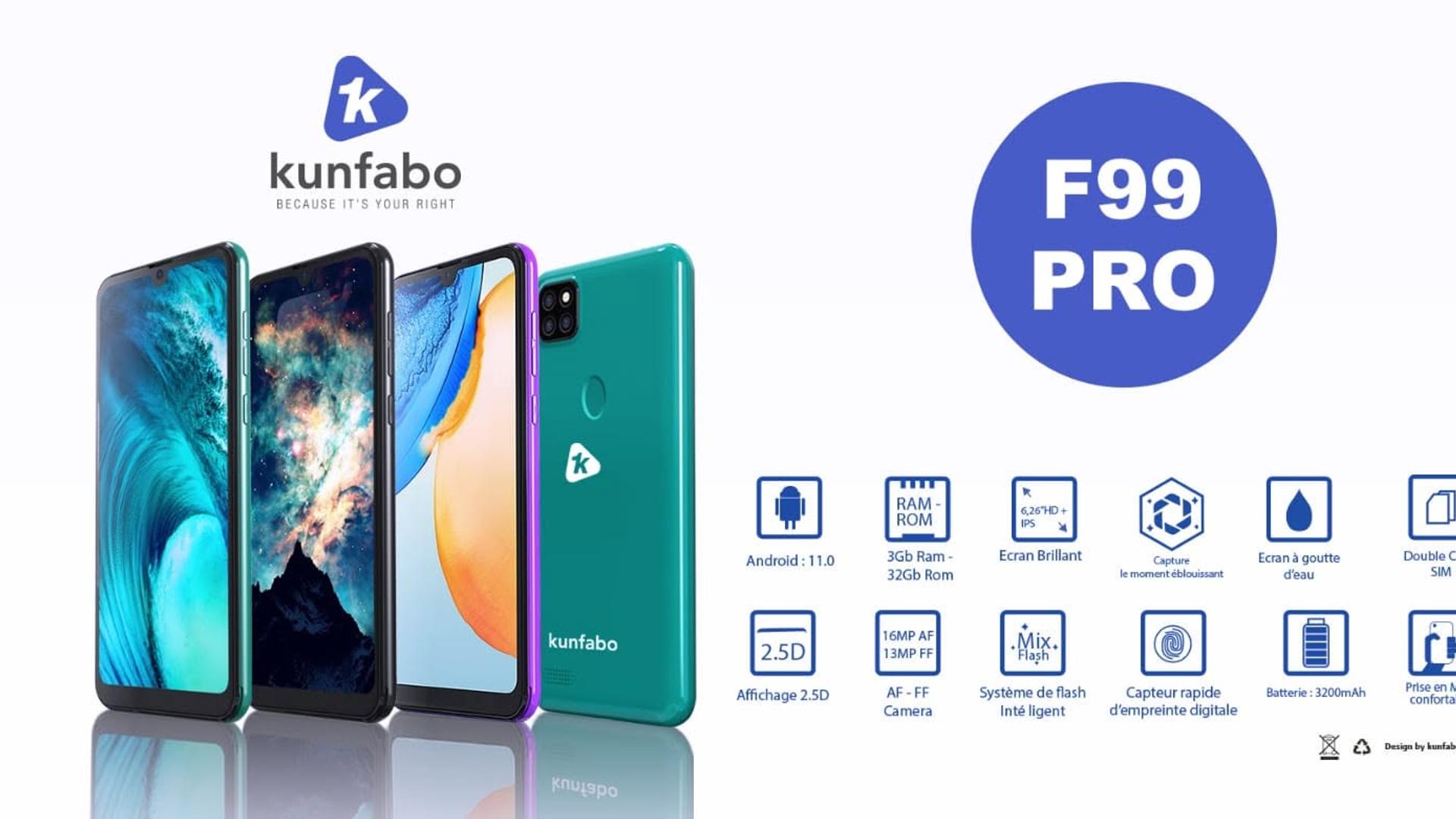
The innovation landscape in Guinea and across the African continent is defined by disruptive trajectories. In 2017, when Fadima Diawara announced her ambition to design a West African smartphone, the ecosystem met the project with widespread skepticism. Nine years later, in 2026, the success of Kunfabo (meaning "to be in contact" in the Soussou language) is indisputable. Honored among the Forbes Africa Top 50 Women 2025 and appointed Chair of the Francophone Africa Cluster at the Citiverse Council, Fadima Diawara stands as proof that technological sovereignty is an industrial reality. However, her vision has evolved: hardware access is merely a starting point. The true battleground now lies in mastering artificial intelligence.
The Growth Engine: Financial Credibility and Pragmatic Engineering
Kunfabo’s growth has been built upon a robust economic blueprint and high-value corporate partnerships. Since January 2020, with the commercial launch of its F99 model in the Guinean market, the company distinguished itself by securing European Union CE certification.
The startup quickly validated its financial structure by settling a €300,000 credit line with Société Générale Guinée in under twelve months. This strategic partnership highlights a masterful integration into the local economy: Kunfabo smartphones come pre-installed with the bank’s mobile banking and e-wallet applications (Connect, YUP), building a native, captive user base. On the hardware front, Kunfabo stayed true to pragmatic design by maintaining removable batteries—a choice heavily criticized in 2017 but ultimately vindicated by the European Union's Regulation 2023/1542, which will mandate easily replaceable batteries by February 2027.
The Challenge of the Digital Divide: The "Offline-First" Blueprint
Ground reality and transparency drive the entrepreneur's next growth phase. Recognizing that global internet connectivity remains an infrastructural bottleneck, Fadima Diawara co-founded Future Seeds for Africa in November 2025 alongside Dani Martin.
To bypass the digital divide, the initiative deploys the SeedNode One, an intelligent server operating on an "offline-first" framework. This specialized local hardware setup integrates a localized AI tutor, certified educational content, and robust security filters. The objective is highly ambitious: enabling a child in a remote village in the Boké or Nzérékoré prefecture to learn advanced AI, video game programming, and robotics with the exact same tools as a student in a major global capital—completely independent of a stable internet connection.
The Pioneers: Cultivating the Next Generation of Tech Leaders
The operational architecture of Future Seeds for Africa revolves around 5 interconnected pillars: offline infrastructure, the AALI digital learning platform, on-the-ground teacher certification, competitive robotics events like the Africa AI Challenge, and elite mentorship bootcamps. To materialize this acceleration, the organization is launching world-class programs, such as an upcoming international immersion trip from July 12 to 26, 2026, in Catalonia, Spain, exposing young talents aged 6 to 17 to advanced robotics and leadership.