
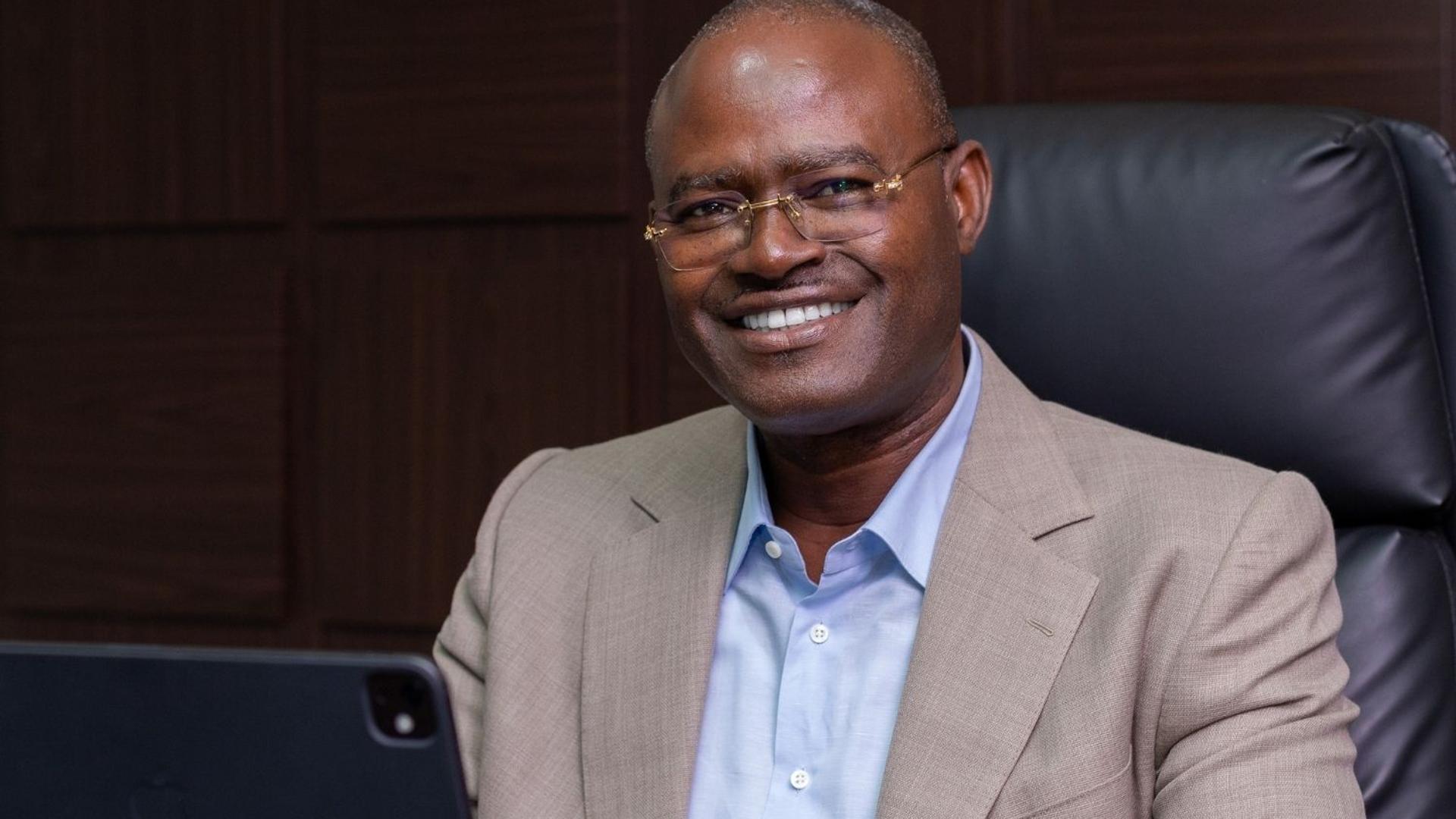
In West Africa’s competitive economic landscape, only a few local groups manage to compete with multinational corporations on large-scale infrastructure projects. Yet over the past few decades, Guicopres Group, founded and led by Kerfalla Person Camara (KPC), has emerged as a dominant force in Guinea’s construction and real estate industries. Far from being a story of chance, this rise is a masterclass in strategic execution.
The journey begins in 1998. Freshly graduated in Economics and Finance from the Gamal Abdel Nasser University of Conakry, Kerfalla Camara had ambition but no capital. He secured a 20,000 Guinean franc loan (around €25 at the time), using a VHS recorder as collateral.
His first job was modest: clearing and weeding the grounds of the very university he had just graduated from. At that moment, no one could have imagined he was laying the foundations of one of Guinea’s most influential industrial groups.
The breakthrough: ambition meets opportunity
For nearly a decade, KPC built his reputation away from the spotlight. The turning point came between 2008 and 2010, during a politically complex period in Guinea when the state was actively seeking reliable local contractors.
He seized the moment. First came the renovation of the iconic 28 September Stadium, followed by the refurbishment of the officers’ mess at Camp Alpha Yaya Diallo. These successful deliveries positioned him for major state contracts, including a landmark 500 billion GNF deal for military infrastructure reconstruction. From that point forward, Guicopres entered a new era of scale and influence.
A strategic diversification model
What distinguishes KPC from many entrepreneurs is his ecosystem-driven approach. Rather than focusing solely on construction, he built an integrated industrial group:
- Guicopres BTP: infrastructure development and large-scale public works, including national road projects such as the Sonfonia–Kagbelen expressway.
- Kakandé Immo: real estate development, ranging from over 1,200 social housing units in Sonfonia to premium projects such as Calao Residences and Conakry Mall.
- GMI: procurement and commercial distribution hub.
- Nalou Transit: logistics and import operations ensuring supply chain control.
A national builder with global reach
A defining move in Guicopres’ expansion has been its strategic partnership with China’s Shandong Hi-Speed (SDHS) Group. This collaboration has enabled the company to compete in mega-projects across mining, energy, and financial infrastructure, aligning with Guinea’s broader Simandou 2040 development agenda.
Yet beyond business performance, KPC’s influence extends into social impact. Known for his belief that “success has meaning only when it is shared,” he serves as President of the historic Hafia FC football club, founder of the KPC Academy for young athletes, and sponsor of the KPC Humanitarian Foundation, supporting initiatives in arts, sports, and youth development.
From selling fritters in his early years to leading one of Guinea’s most powerful conglomerates, Kerfalla Person Camara represents a simple but powerful truth: Guinea has the talent, ambition, and resources to build its own economic future.