
When people hear “Simandou,” they immediately think of iron ore, railways, and mining ports. Yet the true economic revolution envisioned by Guinea’s authorities lies on the surface of the ground, not beneath it.
On Tuesday, May 26, 2026, at the Kaloum Hotel in Conakry, the government officially launched Pillar 1 of the Simandou 2040 Program, marking a decisive shift toward agro-industrial development.
The vision of the President of the Republic, General Mamadi Doumbouya, is clear: avoid the “resource curse” by transforming mining revenues into a driver of sustainable development. To achieve this, Pillar 1 focuses on three critical sectors: Agriculture, Food Industry, and Trade.
From red soil to “Made in Guinea” products
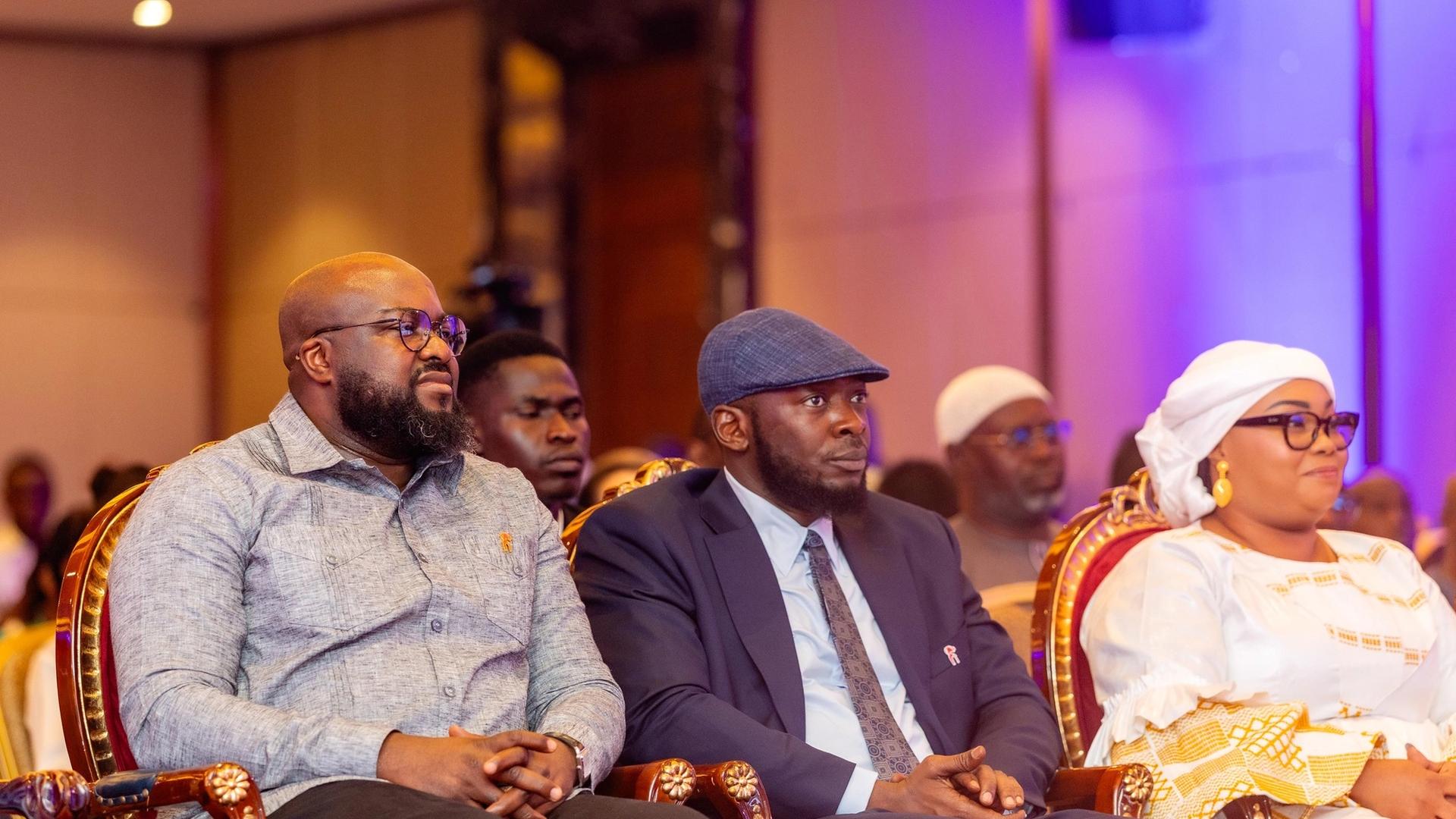
The ceremony brought together key figures of this transformation, including General Amara Camara (Minister Secretary-General of the Presidency), Djiba Diakité (Head of the Simandou Strategic Committee), and Fatima Camara (Minister of Industry and Commerce).
With strategic support from international consulting firm KPMG, the roadmap presented is highly ambitious. The goal is no longer limited to exporting raw materials, but to turn the Simandou corridor into a powerful engine of local value creation. This strategy aims to generate large-scale employment outside the mining sector, strengthen SME competitiveness, and modernize market infrastructure.
Training at the heart of industrialization
However, building agro-industrial facilities is not enough; the system needs skilled people to operate them. This is where the institutional synergy led by Minister Fatima Camara becomes crucial. The CPTI has been officially mobilized to support this critical phase. Its mission will be to train future technicians, ensure industrial maintenance capacity, and support local production of spare parts.
The message to investors and young people is clear: Simandou 2040 is not just a mining project, but the starting point for Guinea’s food and industrial sovereignty.