
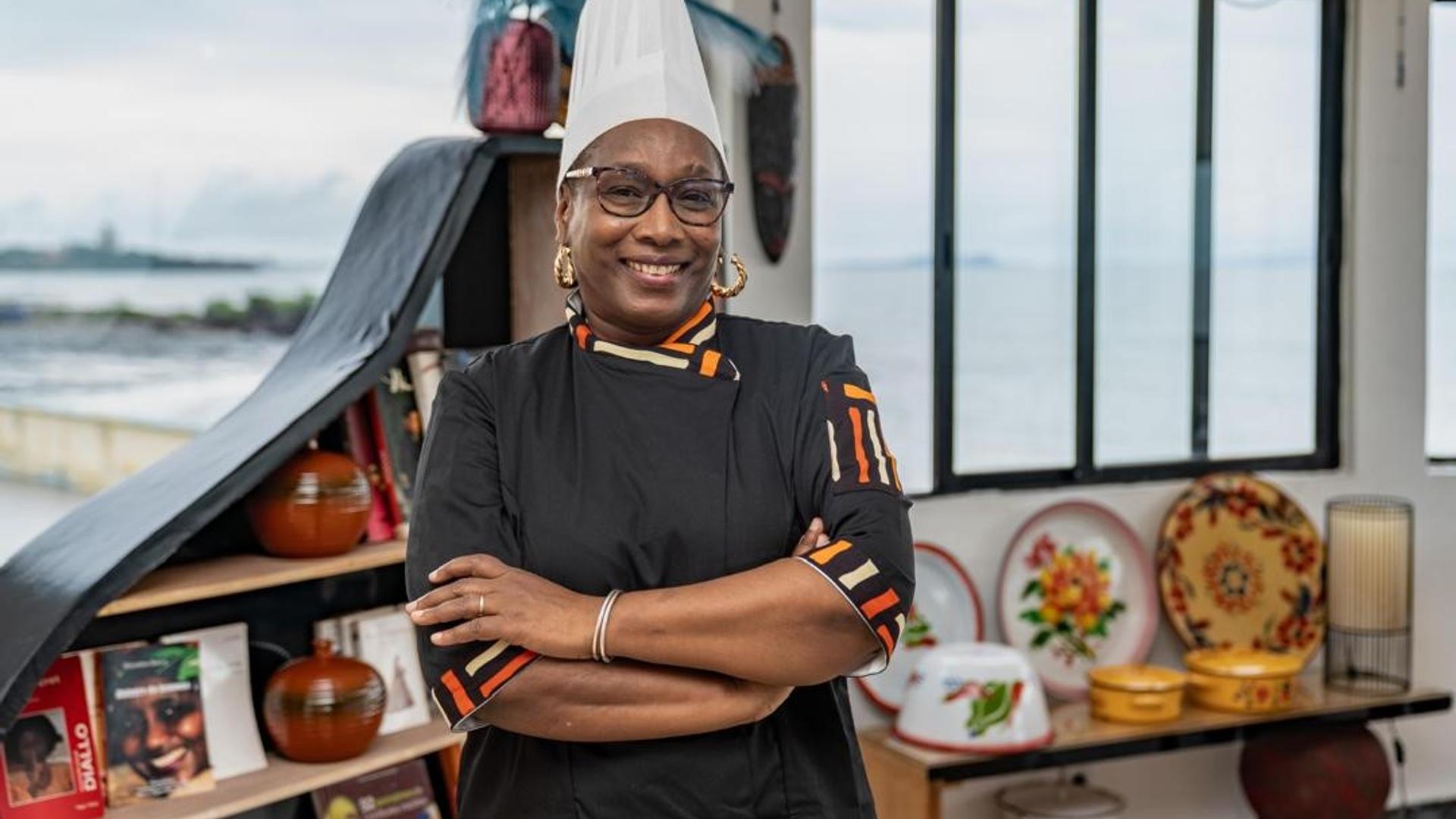
For years, Guinea’s restaurant industry suffered from a major lack of professional culinary training. Today, one woman is changing the narrative. Winner of the prestigious Féminia d'Or award, Chef Yaya Barry has become one of the leading figures driving Guinea’s modern gastronomic revolution.
After earning her first diplomas in Guinea, Yaya Barry moved to France, where she studied culinary arts and pastry-making at the AFPA training center in Champs-sur-Marne. She later sharpened her expertise in the kitchens of high-end Parisian restaurants. But despite international opportunities, she remained convinced of one thing: African gastronomy needed ambassadors on the continent itself.
When she returned to Conakry, she quickly noticed a critical issue. Many young cooks lacked hands-on professional training, limiting the quality and competitiveness of local restaurants.
KAMY EGG: Building Guinea’s Culinary Workforce
Determined to raise standards, Chef Yaya founded KAMY EGG in 2015, the first Guinean School of Gastronomy. As the first Franco-Guinean woman to launch such an initiative, she implemented a rigorous model focused on practice above theory: 80% hands-on learning and 20% classroom instruction.
Over the past decade, more than 1,000 young people have passed through her culinary programs. Many now work as chefs in major restaurants across Conakry, while others have launched their own catering companies and food businesses.
The academy continues to expand its reach by welcoming not only professionals, but also passionate amateurs eager to master culinary techniques from its facilities in Kaporo.
Le Jacquier: Elevating Guinean Fusion Cuisine
Chef Yaya’s vision reached another milestone in 2020 when she opened Le Jacquier in Kipé during the height of the pandemic. More than a restaurant, the venue serves as a culinary laboratory and application restaurant where Guinean flavors meet international fine dining standards.
Faithful to her philosophy “We are what we eat” Chef Yaya actively promotes healthier cooking habits by reducing salt, sugar, and industrial additives while reviving overlooked local ingredients and recipes.
Her menu reflects this bold culinary identity: yam burgers, fonio with coconut milk, sorghum cookies, and refined reinterpretations of traditional Guinean dishes.
The restaurant has rapidly become a reference point for food lovers, entrepreneurs, and public figures in Conakry. Even football stars such as Guinean international striker Serhou Guirassy have reportedly made Le Jacquier one of their preferred dining destinations while visiting the capital.
A Vision Beyond the Kitchen
Chef Yaya Barry’s ambition extends far beyond a single restaurant or culinary school. With plans to expand KAMY EGG into other regions of Guinea throughout 2026, she is helping create a new generation of skilled culinary professionals capable of competing internationally.
Her journey sends a powerful message to Guinea’s youth: excellence does not have to be imported. With discipline, creativity, and local expertise, world-class success can be built at home.
Through gastronomy, education, and entrepreneurship, Chef Yaya Barry is not only serving meals she is shaping the future of Guinea’s creative economy.