
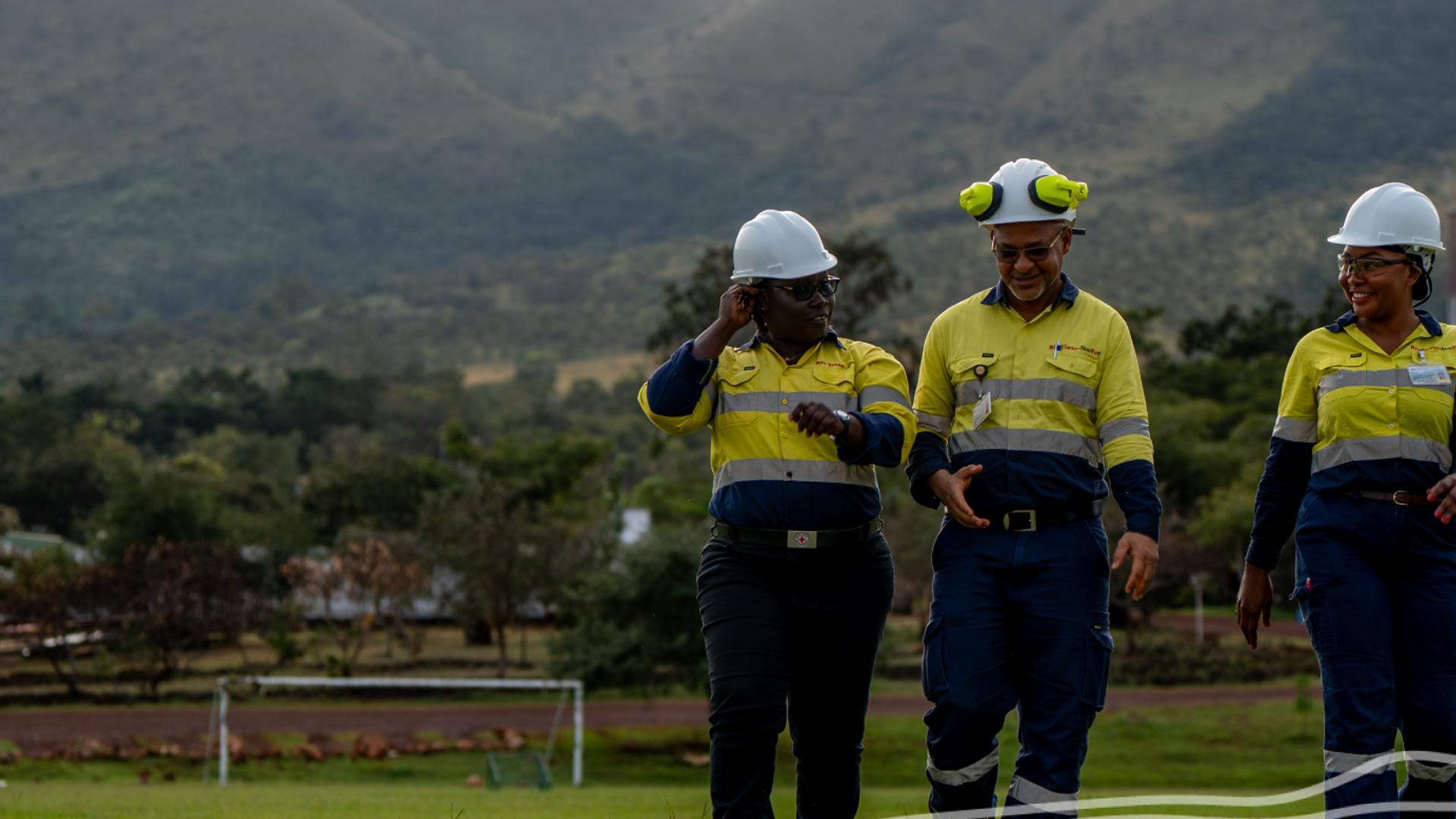
This image perfectly symbolizes the transformation currently underway in Guinea.
Far from Conakry, in China, 18 young Guinean trainees are currently receiving advanced maritime safety training as part of the Simandou mega-project. Supported by SimFer, they represent a new generation of professionals expected to operate Guinea’s future port and transport infrastructure.
The Simandou project is far more than a massive iron ore deposit. Beyond the exploitation of Blocks 3 and 4 managed by SimFer, it is considered Africa’s largest integrated mining and infrastructure project.
The program includes:
- The construction of the 600-kilometer Trans-Guinean railway
- A deep-water port at Morébaya
- Large-scale logistics and export infrastructure
To operate this enormous industrial ecosystem, Guinea will require highly skilled professionals capable of meeting international operational standards.
Building local expertise instead of importing talent
Rather than relying entirely on foreign labor, SimFer has chosen to invest directly in Guinean human capital.
The 18 trainees currently in China are undergoing intensive maritime safety and operational training designed to prepare them for international shipping standards and large-scale industrial logistics.
And this is only the beginning.
At the end of the program, selected candidates will secure a three-month practical internship aboard SimFer’s transshipment vessels, which are currently being prepared for future operations.
This hands-on experience is expected to provide world-class exposure in maritime operations, port logistics, and industrial transport systems.
“Wontanara”: shared growth with Guineans
This initiative reflects SimFer’s corporate philosophy known as “Wontanara” meaning “We are together” in the Susu language.
More than a slogan, the concept represents the company’s strategy of integrating Guineans directly into the country’s industrial transformation.
Today, the project employs over 25,000 people, with 82% of the workforce made up of Guinean nationals.
Beyond direct employment, the consortium which includes the Guinean State, Rio Tinto, and Chinese industrial giants such as China Baowu Steel Group is approaching the symbolic milestone of $1 billion spent with Guinean businesses and suppliers.
By training the professionals who will operate tomorrow’s ships, ports, and railways, the Simandou project is laying the foundation for a true industrial sovereignty strategy.
For Guinea’s youth, these new industries are no longer distant dreams they are becoming real career paths.